Wedding Photography & Videography in Las Vegas: What Couples Should Know
Your wedding photographer and videographer are responsible for preserving the same day in two very different ways. Photography captures individual moments in still images, while videography preserves movement, voices, vows, speeches, and the atmosphere surrounding them. Choosing the right team involves more than finding a portfolio you like. You'll also need to compare coverage, shooting styles, deliverables, pricing, communication, and whether it makes more sense to hire photography and videography separately or through one coordinated team. Las Vegas adds its own considerations. Weddings here can range from intimate ceremonies and desert locations to full wedding days at resorts, country clubs, and private venues, each with different timelines, lighting conditions, and coverage needs.
This guide breaks down what to look for when choosing wedding photography and videography in Las Vegas, what questions to ask before booking, and how to determine which approach makes the most sense for your wedding.
Why Couples Choose Both Photography and Videography
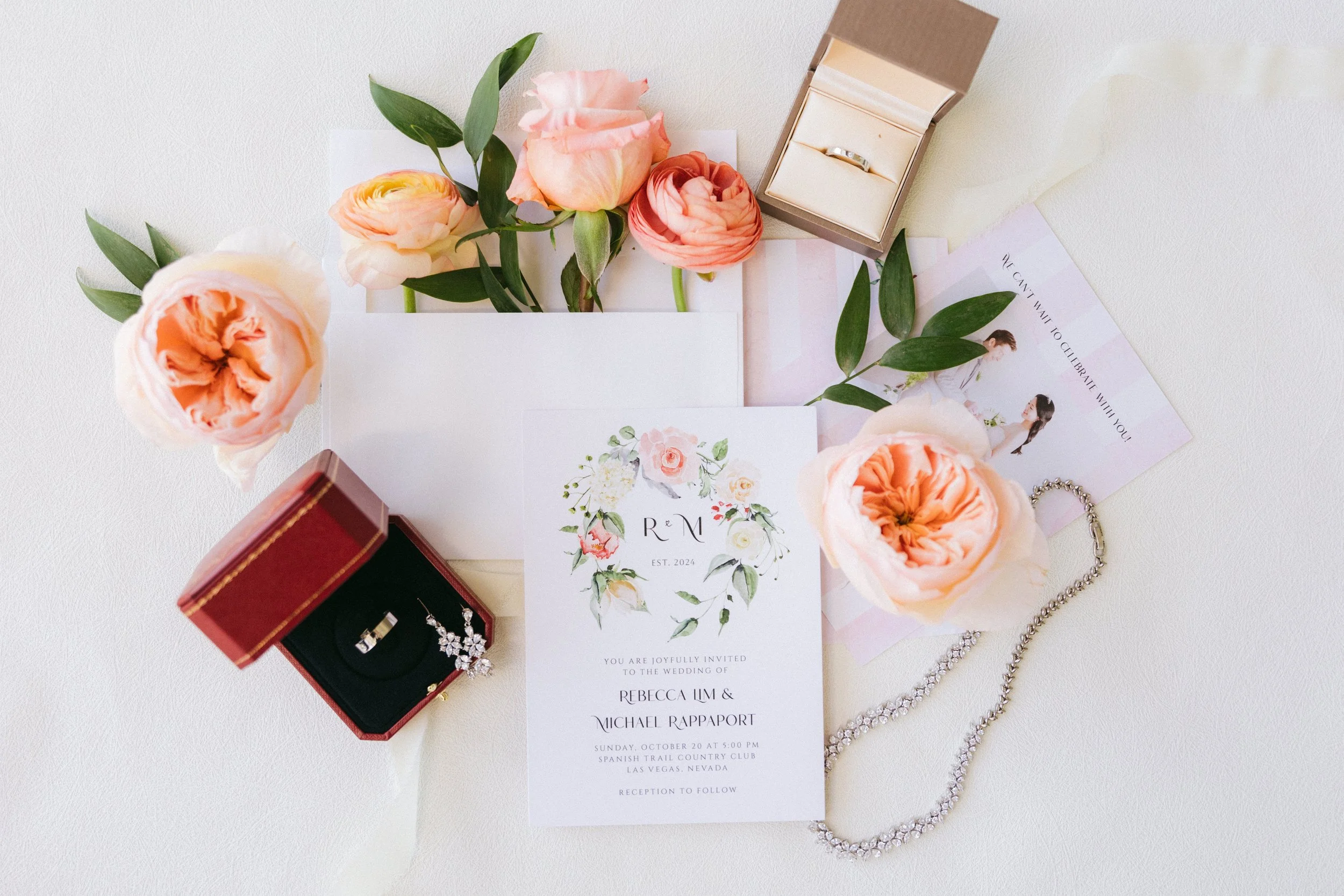
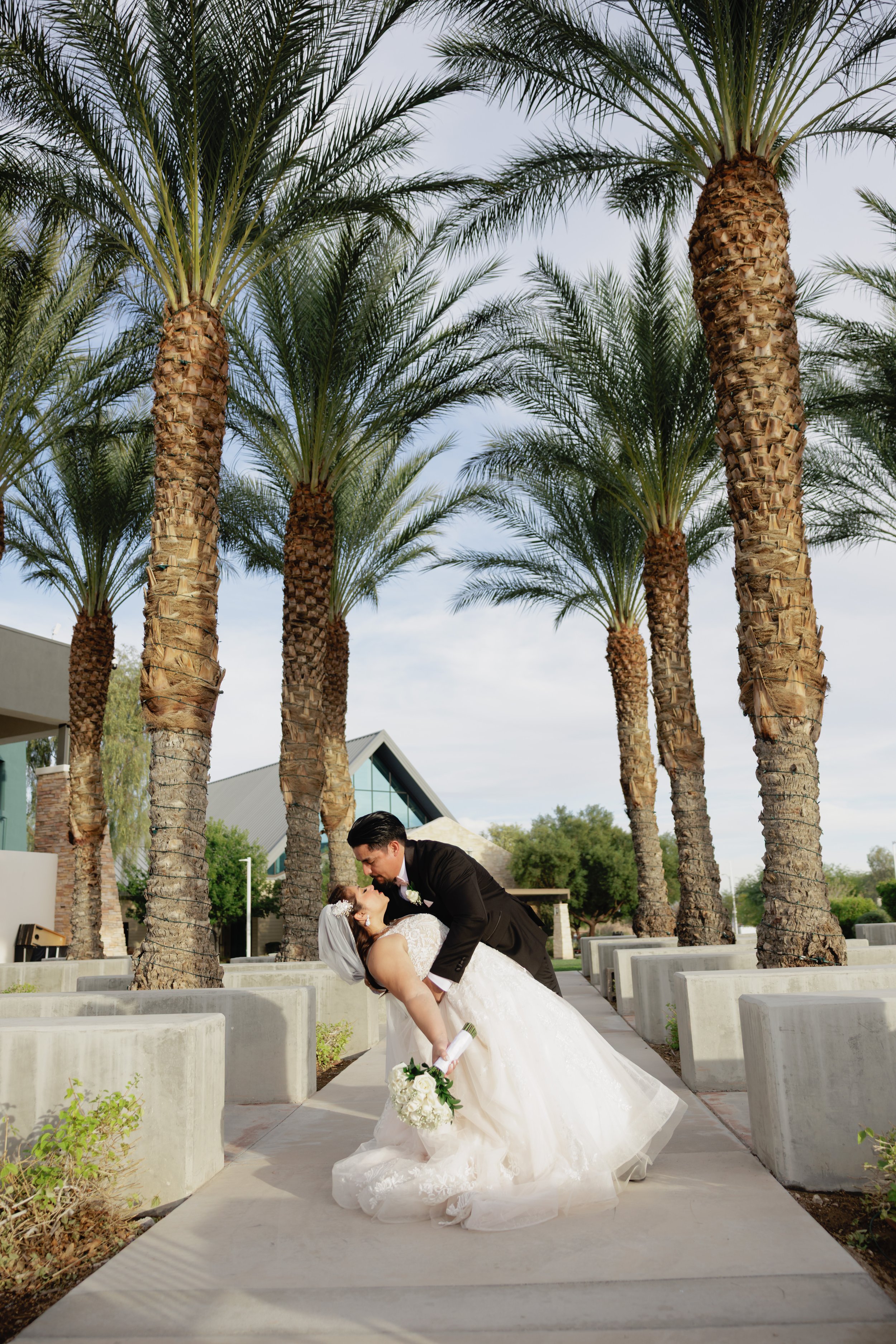
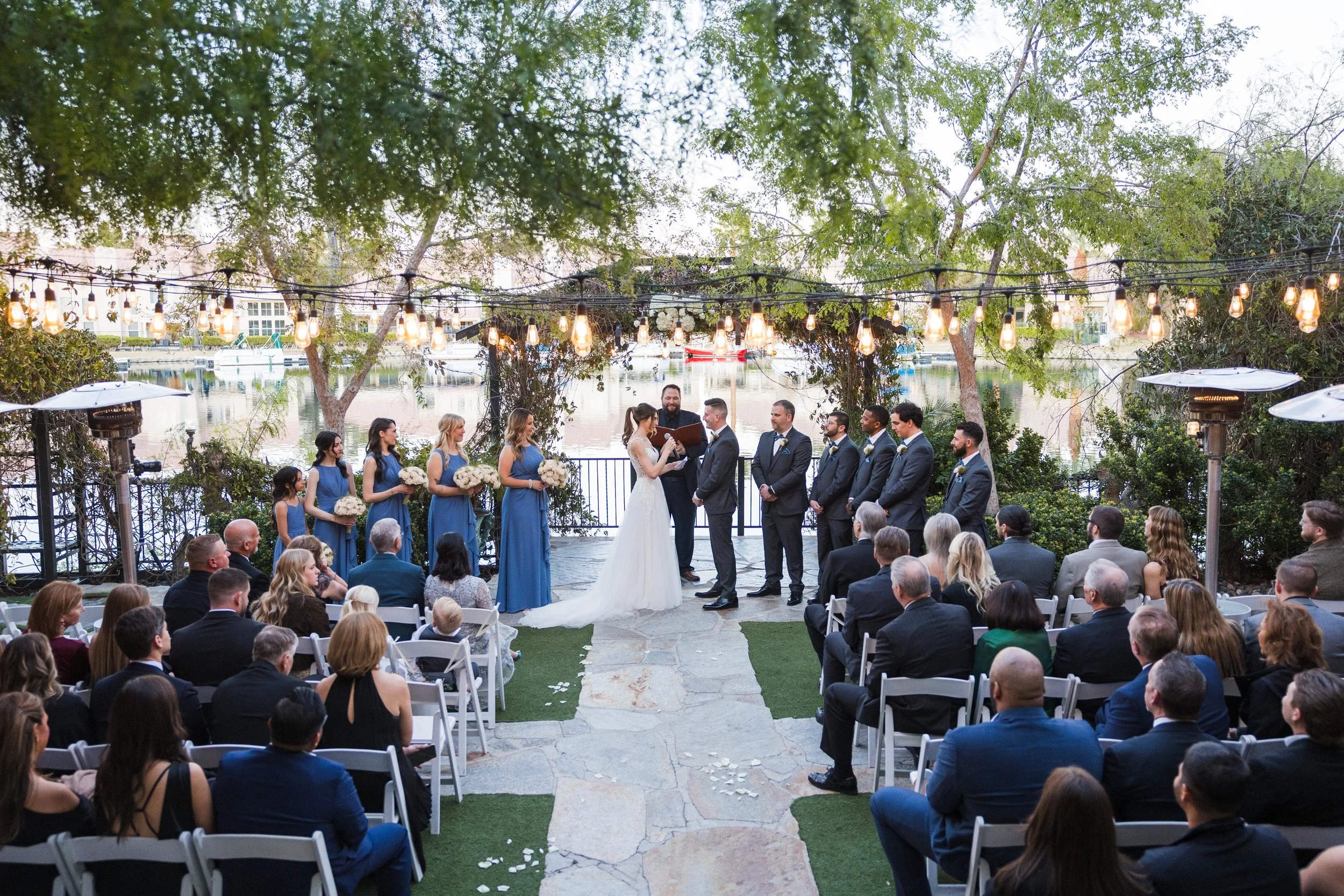
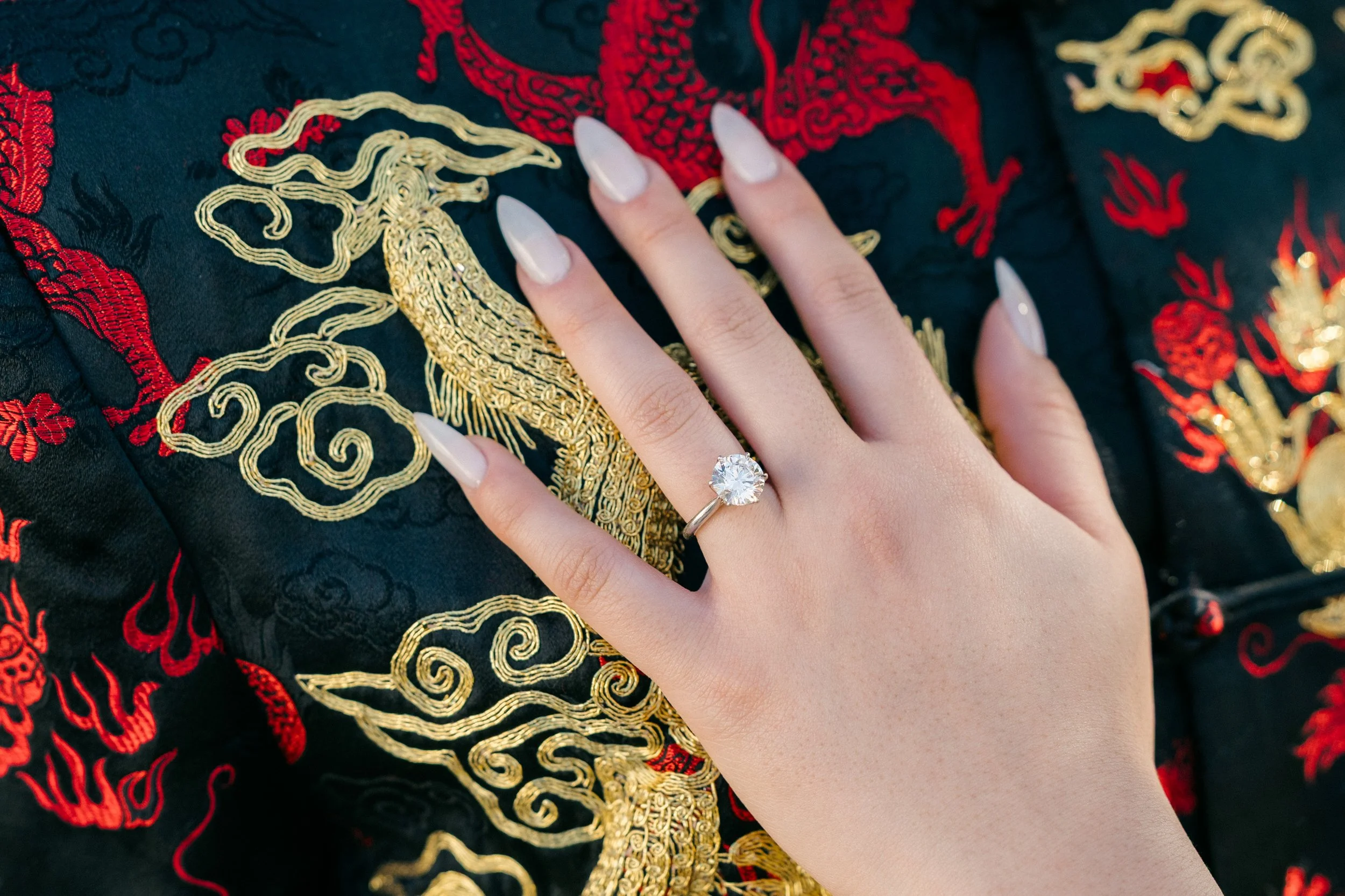
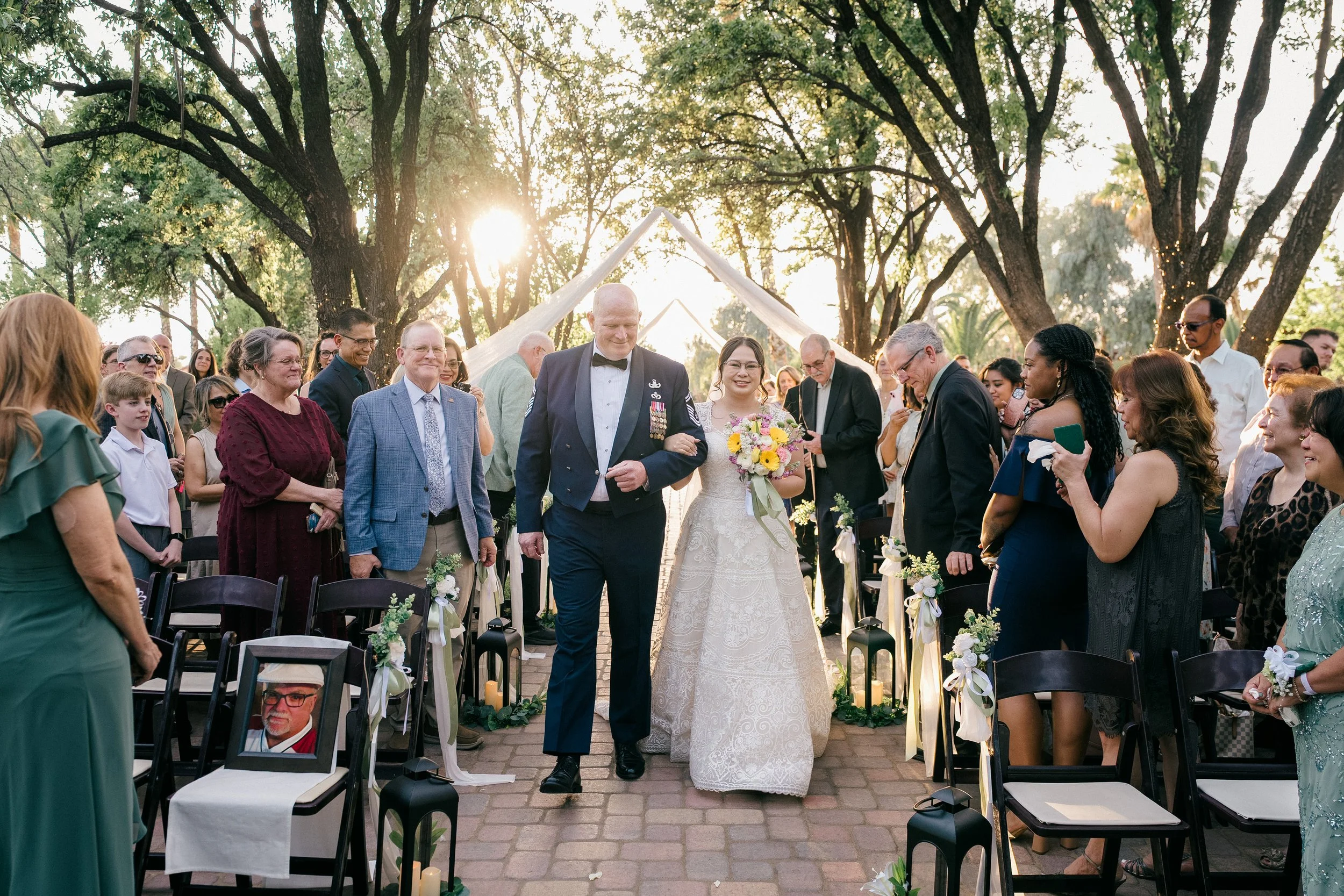
Photography and videography preserve different parts of your wedding day, which is why many couples choose to have both. Photography gives you individual moments you can return to immediately: portraits, reactions, details, family photos, and the candid moments happening throughout the day. Videography adds movement and sound. It preserves the way your vows were spoken, the reactions during your ceremony, the speeches at your reception, and moments you may not have seen while they were happening.
Having both also gives you two perspectives on the same experience. Your photographs become a visual record of the day, while your wedding film allows you to hear and experience parts of it again. If you already know you want both services, another decision is whether to hire your photographer and videographer separately or choose one team that provides both.
A coordinated photography and videography team can simplify planning because both sides are working from the same timeline and communicating before the wedding day. During the wedding, they can also coordinate positioning and coverage around important moments rather than meeting for the first time and establishing a workflow on site. That doesn't mean booking both services from one company is automatically the right choice. You should still genuinely like both the photography and videography portfolios. The advantage comes when you find one team whose work you connect with on both sides and whose approach fits the experience you want.
What to Look for When Hiring a Photography and Videography Team
Once you know you want photography and videography, the next step is finding a team you trust to capture the day consistently from beginning to end.
Here are six things worth looking at before you book.
1. Look Beyond the Highlight Reel
A strong portfolio should show more than a handful of beautiful portraits. Look for work from different parts of a wedding day, including getting ready, the ceremony, family photos, portraits, reception details, speeches, dancing, and lower light environments.
For videography, watch complete wedding films when they are available rather than judging a team entirely from short social media clips or trailers.
The goal is consistency. You want to know the team can produce strong work throughout a real wedding day, not only when the lighting and location are ideal.
2. Make Sure You Like Both the Photography and Videography
If you're considering one company for both services, evaluate each portfolio separately. You shouldn't choose a photography and videography package simply because bundling is convenient. Make sure you genuinely connect with the photography style and the wedding films before deciding that one team is right for you.
3. Ask How the Photography and Videography Team Works Together
Photography and videography often need to capture the same important moments at the same time. Ask how the team coordinates during ceremonies, portraits, first looks, speeches, and other parts of the day where positioning matters. A team that regularly works together should already have a process for sharing space and capturing different perspectives without unnecessarily interfering with each other's coverage.
4. Understand the Delivery Process
Before booking, make sure you understand what you will receive and how delivery works. Ask what is included in your photography gallery, which wedding films are included in your package, how everything is delivered, and what the expected delivery timeline is. These details should be clearly explained before you sign your contract.
5. Pay Attention to Communication
The experience starts before the wedding day. Notice how clearly the studio answers questions, explains its packages, handles planning, and communicates expectations. An organized process before the wedding can make coordinating photography and videography much easier when the day arrives.
6. Read Reviews for the Experience, Not Just the Final Images
Beautiful work matters, but reviews can tell you things a portfolio cannot. Look for couples describing how the team communicated, how comfortable they felt in front of the cameras, how the photographers and videographers worked together, and what the overall experience was like on the wedding day. The strongest choice is usually a team whose work you love and whose process gives you confidence before you ever step in front of the camera.
Photography and Videography Styles Explained
Understanding a few common style terms can make it much easier to compare photography and videography teams. The important thing to remember is that these labels are not always used exactly the same way by every studio, so the portfolio should ultimately show you more than the terminology.
Documentary Photography and Videography
A documentary approach focuses on capturing real moments as they happen with minimal interruption. This can include reactions during the ceremony, conversations between family members, guests enjoying the reception, and the smaller moments happening around you throughout the day. Documentary coverage does not necessarily mean there is no direction. A photographer or videographer may still guide you when needed while allowing the majority of the wedding day to unfold naturally.
Fine Art and Editorial Photography
Fine art and editorial photography generally place more emphasis on composition, lighting, posing, and creating intentional images. You may notice this approach most during couples portraits, wedding party photos, details, and other parts of the day where there is time to create a photograph rather than simply document what is happening. Many wedding photographers blend this more intentional approach with documentary coverage throughout the day.
Cinematic Wedding Videography
Cinematic wedding videography uses the footage and audio captured throughout your wedding to create an edited film rather than simply presenting events in chronological order. That can involve music, vows, speeches, natural audio, multiple camera angles, pacing, color work, and storytelling choices that bring different parts of the wedding day together. When comparing wedding films, pay attention to more than dramatic visuals. Listen to how audio is used, how naturally the story develops, and whether the film gives you a sense of the couple and their wedding rather than feeling interchangeable with every other film in the portfolio.
How These Styles Work Together
A wedding day rarely fits neatly into one style. During the ceremony or reception, a team may take a more documentary approach and allow moments to happen naturally. During portraits, they may provide more direction and become intentional about composition, light, and positioning. The ability to move between those approaches is often more important than choosing a studio based on a single style label.
When comparing teams, ask them to describe how they approach a wedding day and then compare that answer with their actual work. If you're considering photography and videography together, make sure the two sides feel compatible while still allowing each medium to do what it does best.
How Wedding Photography and Videography Pricing Works
Wedding photography and videography pricing can feel complicated because every studio structures its packages differently. The easiest way to compare your options is to look beyond the total price and understand what is actually included.
Coverage Time
One of the biggest factors is how many hours of wedding day coverage are included. More coverage gives your photographer and videographer more time to capture different parts of the day, while shorter coverage may make sense for weddings with a simpler timeline. When comparing packages, think about which moments matter most to you and whether the included coverage realistically allows the team to capture them.
Team Size
The number of photographers and videographers can also affect pricing. Some weddings can be covered effectively with a smaller team, while larger or more complex wedding days may benefit from additional coverage. The right setup depends on your timeline, locations, guest count, and what you want captured.
Deliverables
Two packages with similar coverage hours can still be very different depending on what you receive afterward. For photography, compare what is included in the final gallery and whether additional sessions or products are part of the package.
For videography, look at the films included rather than assuming every package delivers the same thing. A wedding highlight film, ceremony film, toast film, trailer, and other edits are different deliverables and may be included or offered separately depending on the package. For a closer look at video coverage and deliverables, read our guide to Las Vegas wedding videography packages.
Photography and Videography Together
If you already know you want both photography and videography, compare the cost and experience of hiring two separate companies with choosing one studio that provides both. At Manaya Films, wedding photography and videography are available separately, but Photo + Video Packages are designed for couples who want both services through one coordinated team.
Manaya's Photo + Video Packages begin at $2,999, with the Silver Photo + Video Package at $3,499 offering a strong middle option for couples comparing coverage and value.
Compare What You Receive, Not Just the Price
The lowest price does not necessarily represent the best value, and the highest price does not automatically mean a package is right for your wedding. Compare the coverage, team size, deliverables, portfolio, communication, and overall experience alongside the price. You should also understand which services are included and which are optional add ons before signing your contract. That makes it much easier to compare packages accurately and choose the coverage that makes sense for your wedding.
One Coordinated Team vs. Two Separate Vendors
If you want both photography and videography, one of the biggest decisions is whether to hire two separate companies or choose one studio that provides both. Either approach can work. The advantage of one coordinated team is simplicity.
One Planning Process
Hiring separate photographers and videographers means communicating with two companies, reviewing two contracts, coordinating two teams, and making sure everyone is working from the same wedding day timeline. With one photography and videography team, those conversations can happen within the same studio. Both sides can plan around the same schedule, locations, priorities, and expectations before the wedding day arrives.
Better Coordination During Important Moments
Photographers and videographers frequently need to capture the same moments from different perspectives. The ceremony entrance, first look, vows, first kiss, portraits, speeches, and first dance are all situations where both teams need access without unnecessarily interfering with each other's coverage. A team that regularly works together can plan positioning and communicate throughout the day so photography and videography can capture what they need while sharing the same space.
A More Consistent Experience
Booking one studio also gives you one primary process for planning, communication, and delivery. That can be especially helpful for destination couples planning a Las Vegas wedding from another city or state. Instead of coordinating photography and videography separately, you can discuss both with the same studio as the timeline develops.
You Still Need to Love Both Portfolios
Convenience should never be the only reason you book photography and videography together. Review the photography and wedding films independently. Make sure you genuinely connect with both before deciding that a combined team is the right choice. When the photography, videography, and overall experience all fit what you're looking for, having one coordinated team can make the process significantly easier.
How Manaya Approaches Photo + Video
Manaya Films offers photography and videography separately, but our Photo + Video Packages are built for couples who want both services handled through one coordinated team. That means photography and videography are planned together before the wedding rather than treated as two unrelated services that happen to share the same date. For couples who value simplicity, coordinated coverage, and one team responsible for both sides of the wedding experience, this can be one of the biggest advantages of booking photography and videography together.
What Wedding Photography and Videography Coverage Looks Like in Las Vegas
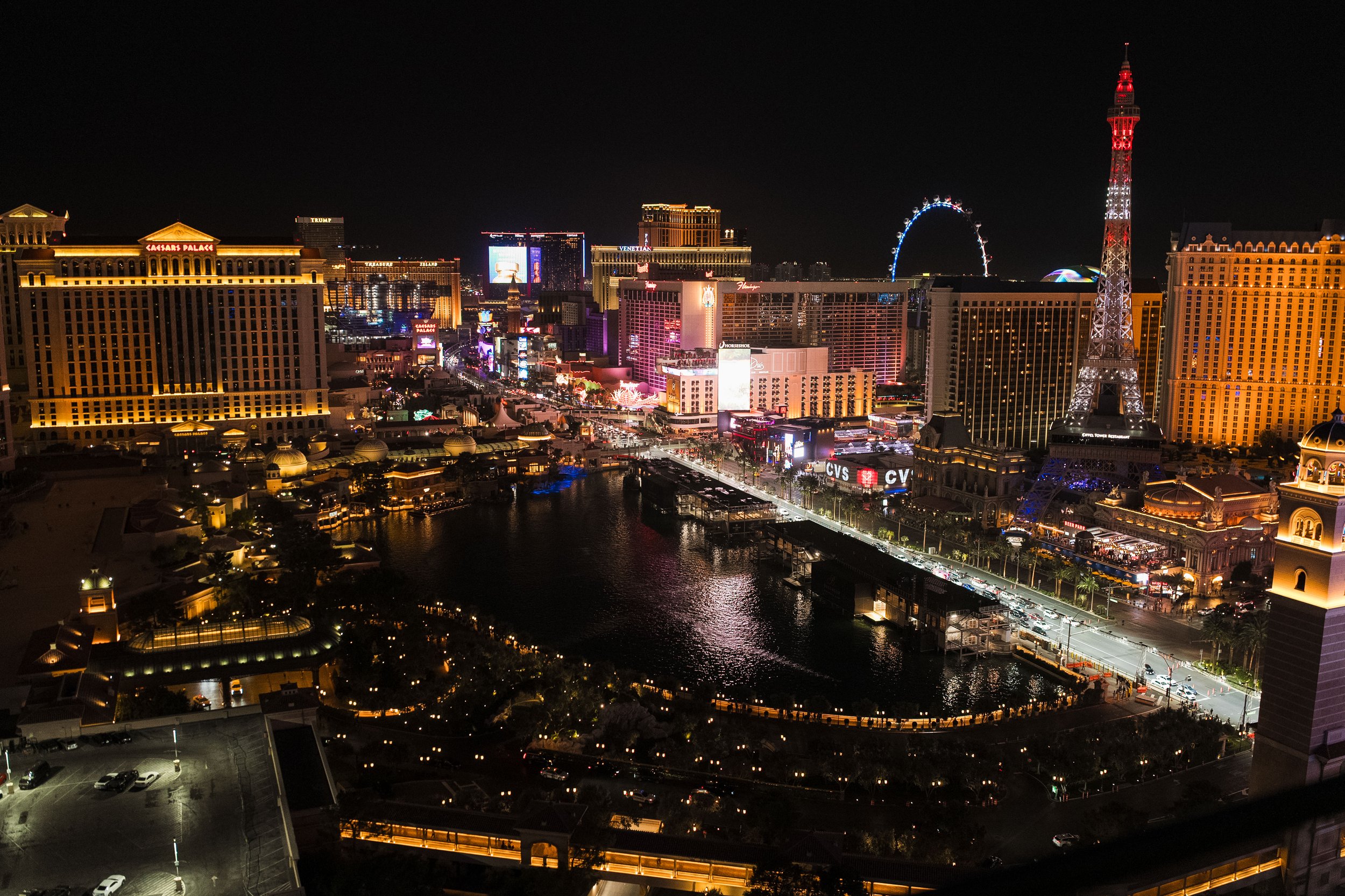
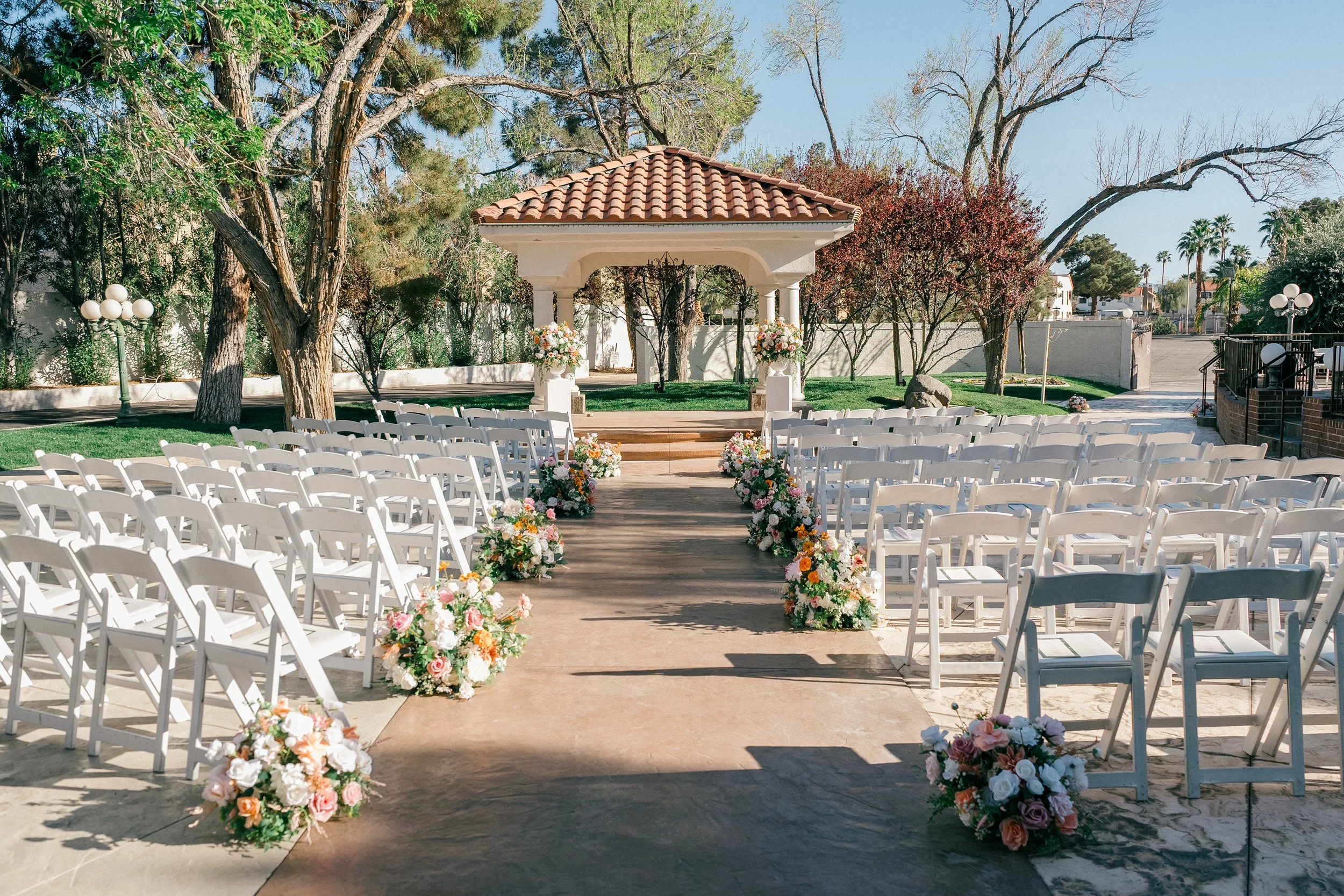
Las Vegas weddings can look very different from one another. A wedding day might take place entirely at one resort, move between several locations, include an outdoor desert ceremony, or bring guests into town for a destination wedding weekend. Those differences can affect how photography and videography coverage should be planned.
Resort and Hotel Weddings
Las Vegas resorts can involve getting ready rooms, ceremony spaces, portrait locations, and reception ballrooms in different areas of the same property. That makes the timeline especially important. Moving between locations can take longer than it appears on paper, and photography and videography need enough time to capture the day without making every transition feel rushed. Indoor spaces can also change dramatically throughout the day. Window light in a hotel suite, ceremony lighting, ballroom lighting, and a dark reception dance floor can all require different approaches.
Outdoor and Desert Weddings
Las Vegas also gives couples access to desert landscapes and outdoor locations that create a completely different experience from a resort wedding. For outdoor weddings and portraits, the time of day matters. The position and intensity of the sun can significantly affect both the look of your photographs and the conditions everyone experiences during the session. Summer heat is another important consideration. Las Vegas temperatures can become extreme during the warmer months, particularly during the middle of the day. If outdoor portraits or an outdoor ceremony are part of your plans, consider the season and time of day when building your timeline.
The National Weather Service’s Las Vegas climate information is a helpful resource when considering seasonal conditions for an outdoor wedding. Weather should also be part of the conversation. Although Las Vegas is known for its dry climate, summer thunderstorms and monsoon conditions can occasionally affect outdoor plans. Having some flexibility in the timeline or an alternative location can be helpful when weather changes unexpectedly.
Multiple Locations
Some Las Vegas wedding days involve several locations, such as getting ready at a hotel, traveling to a ceremony venue, taking portraits somewhere else, and returning to another location for the reception. Travel time between those locations needs to be part of your photography and videography coverage plan. A timeline that looks generous before transportation is considered can become much tighter once loading, parking, walking, venue access, and Las Vegas traffic are added.
Destination Weddings
If you're planning your Las Vegas wedding from out of state, working with a local team can also make planning easier. A team familiar with the area can help you think through realistic travel times, lighting, outdoor conditions, and how different types of Las Vegas venues can affect photography and videography coverage. You don't need to know every detail before reaching out. Once your date and venue are confirmed, your photographer and videographer can help you determine how the timeline and locations may affect the coverage you need.
What Couples Should Consider Beyond the Package
Once you have compared coverage, pricing, and deliverables, there are a few less obvious factors that can make a significant difference in your experience.
How the Work Feels
A portfolio should do more than show technically strong photographs or impressive wedding films. It should give you a sense of how the team approaches real people and real wedding days. Some couples are drawn to candid, documentary moments. Others prefer more direction and polished portraits. Many want a combination of both. There isn't one style that is right for everyone. What matters is whether you consistently connect with the work you see and can imagine your own wedding being captured that way.
The Experience in Front of the Camera
Most couples are not professional models, and you shouldn't need to be. Pay attention to whether the people in a photographer's portfolio look comfortable and natural. During a consultation, ask how the team approaches couples who feel awkward or nervous in front of the camera. The way a photographer or videographer communicates and provides direction can have a major impact on how comfortable the experience feels.
How You Want to Experience the Wedding Day
Think about how involved you want your photography and videography team to be. Some couples want plenty of direction during portraits and help organizing important moments. Others prefer a quieter approach that allows most of the day to unfold naturally. Understanding that balance before booking can help you choose a team whose working style fits your personalities as well as your visual preferences.
How You Want to Revisit and Share the Wedding
Consider how you imagine experiencing your photographs and films after the wedding. You may care most about having a complete photography gallery, a wedding film you can watch together, shorter videos that are easy to share, or a combination of different deliverables. Instead of choosing a package because it has the longest list of inclusions, focus on the things you can realistically see yourselves returning to and sharing after the wedding.
The Overall Fit
Price matters, but it is only one part of the decision. Your photographer and videographer will be around you during some of the most personal parts of your wedding day. Their communication, personality, organization, and ability to make you feel comfortable matter alongside the final work. The strongest choice is usually the team whose portfolio, approach, packages, and overall experience all make sense together.
Questions to Ask Before You Book
Before signing a contract, there are a few questions worth asking any photography and videography team you're considering. The answers can help you understand not only what you're booking, but what the experience will actually look like before, during, and after your wedding.
1. Who Will Actually Photograph and Film Our Wedding?
Ask who will be assigned to your wedding day and whether you can see work that represents what you can realistically expect from the team. If you're booking photography and videography together, ask how those team members typically work together and how coverage is coordinated.
2. What Exactly Is Included in Our Package?
Make sure you understand the coverage hours, number of photographers and videographers, photography deliverables, wedding films, and any other services included. Don't assume that something you've seen in a portfolio or on social media is automatically included in every package. Ask about anything that matters to you before signing so you know exactly what you're booking.
You can review Manaya Films’ current wedding package options before comparing what makes the most sense for your day.
3. What Is the Delivery Process?
Ask how your photographs and wedding films will be delivered and what timeline you should expect. You should also understand whether different deliverables arrive separately and how the studio communicates with you during post production.
4. How Do You Handle Unexpected Changes or Emergencies?
Wedding days do not always follow the original plan. Ask how the studio approaches timeline changes, weather, equipment issues, or situations where a team member unexpectedly becomes unavailable. You're not looking for a promise that nothing will ever go wrong. You're looking for a team that has thought through how it will respond when plans change.
5. What Are Our Usage and Sharing Rights?
Before booking, understand what you're allowed to do with your final photographs and wedding films. Ask about downloading, sharing, printing, social media use, and whether there are any restrictions you should know about. The contract should clearly explain the rights provided to you and how the studio may use the work as well.
6. How Do Photography and Videography Work Together?
If you're considering both services from the same studio, ask what coordination actually looks like. Do the photographers and videographers plan from the same timeline? How do they approach moments where both need to capture the same thing? Who communicates with you during the planning process? The goal isn't simply to have photography and videography listed on the same invoice. The benefit comes from having both sides work together as one coordinated team.
At Manaya Films, Photo + Video Packages are structured around that coordinated approach so couples can plan both services through one studio rather than managing two completely separate processes.
Making the Right Choice for Your Wedding
By the time you begin comparing photography and videography teams, it can be easy to focus on package details and pricing alone. Those things matter, but the right decision usually comes from looking at the complete picture. Start with the work. Make sure you consistently connect with the photography and wedding films, not just a few favorite images or short clips. Then look at the experience. You should understand how the team communicates, how your wedding day will be covered, what is included in your package, and what you will receive afterward. If you want both photography and videography, decide whether you would rather coordinate two separate companies or have both services handled through one team. Neither approach should be chosen simply because it is cheaper. Choose the structure that gives you confidence in both the work and the experience.
Your wedding date, venue, timeline, and priorities will ultimately determine how much coverage makes sense. You do not need to have every detail figured out before reaching out, but having your date and venue confirmed gives a photography and videography team enough information to begin discussing your options. The goal is not to find the package with the longest list of inclusions. It is to choose the photography and videography coverage that fits your wedding and a team you trust to capture it well.
Choosing Photography and Videography With Confidence
Choosing your wedding photographer and videographer is ultimately about finding the right combination of work, experience, coverage, and trust. Take the time to look beyond individual portfolio highlights. Compare complete photography and videography work, understand what each package includes, ask questions about the process, and think about how you want your wedding day to feel while it is being captured.
For Las Vegas weddings, your venue, timeline, season, and locations can also influence the coverage that makes sense for your day. A team that understands those variables can help you plan photography and videography around the wedding you are actually having rather than forcing your day into a standard formula. Whether you choose separate vendors or one coordinated photography and videography team, the goal is the same: choose people whose work you connect with and whose process gives you confidence from planning through final delivery.
WHAT TO REMEMBER
-
Photography and videography preserve different parts of the wedding experience. Photos capture individual moments, while video adds movement, voices, vows, speeches, and sound.
-
If you want both services, compare the photography and videography portfolios independently. Convenience only matters if you genuinely connect with both.
-
One coordinated photo + video team can simplify planning, communication, timelines, and wedding day coverage compared with managing two separate companies.
-
For Las Vegas weddings, venue type, travel between locations, season, heat, lighting, and the wedding day timeline can all influence the coverage you need.
-
Manaya Films Photo + Video Packages begin at $2,999, with the Silver Photo + Video Package at $3,499 as the middle option.

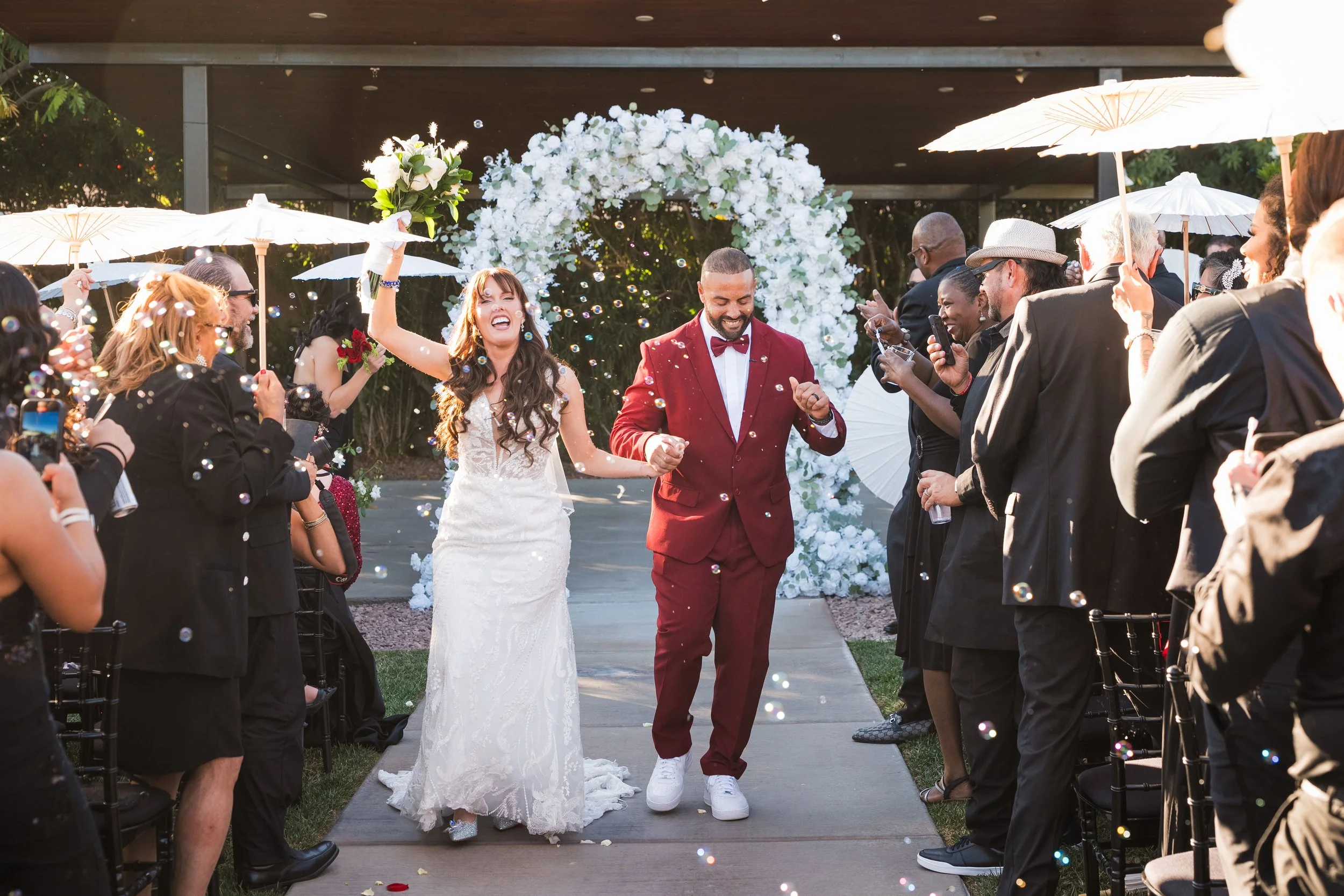
Ready to Explore Photography + Videography Together?
If you want one coordinated team for both sides of your wedding day, explore Manaya Films’ Photo + Video Packages and compare the coverage that makes the most sense for your Las Vegas wedding.